Methanol Infrastructure Readiness
Planning and developing bunkering, storage, and handling systems to position Vizhinjam as a dependable methanol-ready port for the future.
Advancing Global Green Fuel Trade Infrastructure
GXCOR is an integrated green-fuel logistics platform aligned with Maritime India Vision 2030, Amrit Kaal Vision 2047, and IMO 2030/2050 targets, designed to enable port readiness, storage infrastructure, and corridor development in support of maritime decarbonization — with a disciplined, long-term, execution-focused approach.
Focus
Methanol and sustainable fuel logistics
Location
Vizhinjam International Seaport
Alignment
Maritime India Vision, IMO pathways, and corridor readiness
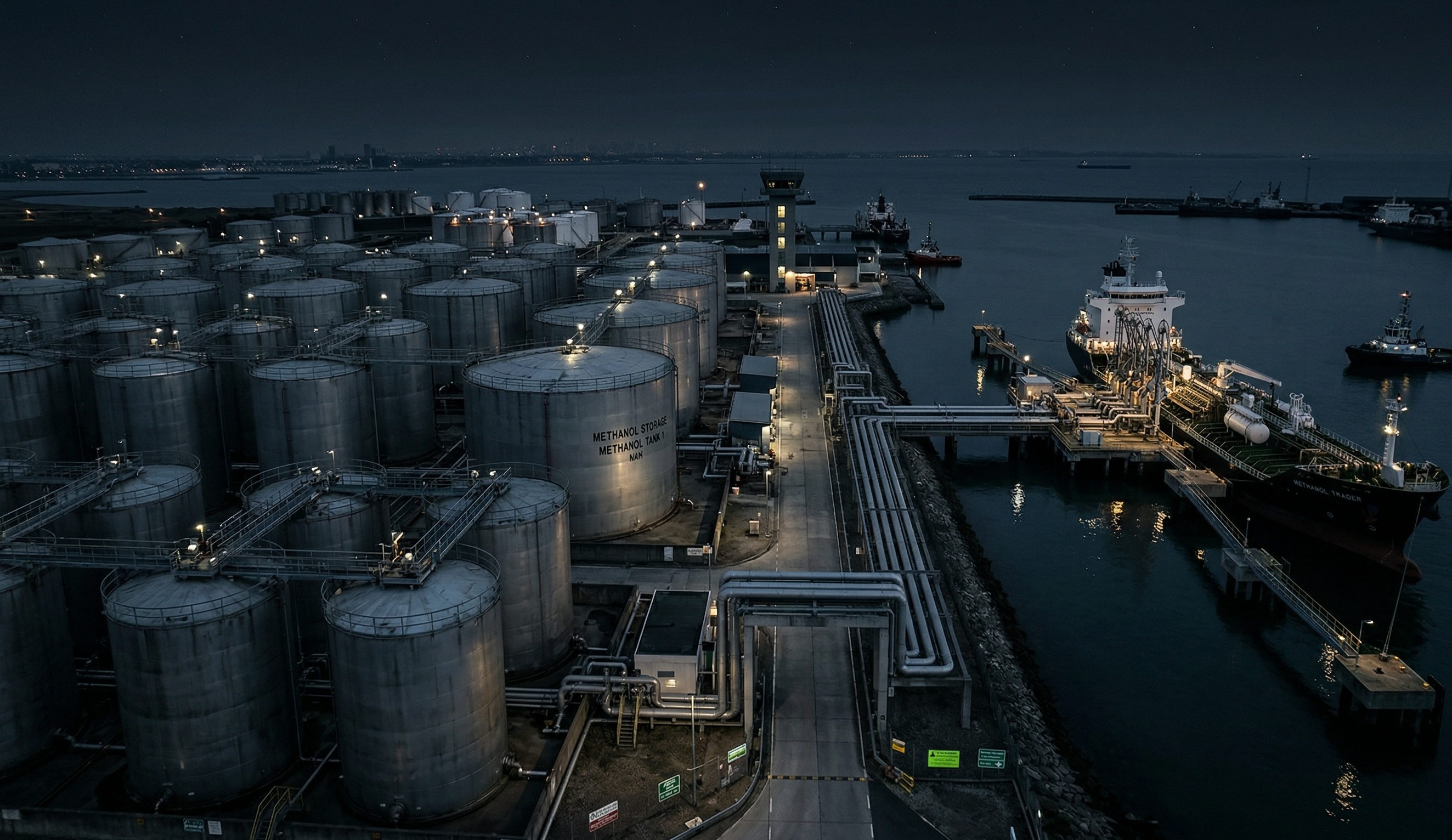
Infrastructure Layer
Storage, bunkering readiness, and corridor logistics design.
Strategic Position
Gateway for green fuel adoption on global shipping routes.
Overview
GXCOR is a green energy logistics and infrastructure company incorporated to develop methanol-ready assets linked to Vizhinjam International Seaport. GXCOR is established to develop the backbone required to move sustainable fuels safely and at scale, in alignment with IMO 2030/2050 maritime decarbonization pathways.
By integrating port-linked storage, marine bunkering pathways, and industrial corridor planning, GXCOR positions Vizhinjam as a future-ready node for clean shipping and energy-transition trade. Our approach is disciplined, infrastructure-first, and anchored in long-term regulatory and commercial signals.
Strategic Positioning
GXCOR’s mandate is to align regional logistics capability with global fuel transition priorities. Vizhinjam’s deep-water advantage, combined with methanol’s scalability, supports a credible, investable corridor for green maritime growth.
Strategic Focus
GXCOR is structuring the infrastructure layer required for sustainable fuel adoption at scale. Each pillar strengthens investor assurance, port-linked growth, and the IMO-aligned transition to low-carbon maritime logistics.
Planning and developing bunkering, storage, and handling systems to position Vizhinjam as a dependable methanol-ready port for the future.
Structuring end-to-end logistics for green methanol and future alternative fuels across regional corridors.
Aligning adjacent industrial users, EPC partners, and storage operators to build a resilient port economy.
Aligning investment milestones with IMO 2030/2050 pathways, compliance benchmarks, and stakeholder confidence.
Formalizing collaborative programs with shipping lines, investors, and public stakeholders for scalable growth.
Developing export-ready corridors that connect India’s energy transition with global shipping demand.
Our Team
Building the next generation of India’s green maritime ecosystem.
Founder & Managing Director
Maritime professional with over a decade of international experience across tanker, chemical, and bulk carrier operations. Provides multidisciplinary expertise across social sciences, technology, leadership, and shipping logistics. Founder of GXCOR, advancing integrated green-fuel logistics and maritime infrastructure aligned with India’s energy transition and global maritime decarbonization pathways.
Co-Founder & Head of Technical Operations
Over 10 years of international seafaring experience in the Engine Department. Shore-based and fully dedicated to GXCOR operations. Provides deep technical expertise in marine machinery, fuel systems, and propulsion—directly relevant to methanol infrastructure and bunkering operations.
Legal & Financial Compliance Advisor
Qualified Chartered Accountant registered with ICAI, holding a Diploma in Information Systems Audit (DISA). Based in Trivandrum, Kerala. Advises GXCOR on statutory compliance, financial reporting, GST, and corporate governance.
Strategic Advisor — Port Development & Community Relations
Veteran journalist, social activist, and President of the Vizhinjam Motherport Action Council (V-MAC). Over three decades of direct association with the Vizhinjam International Seaport project. Chief Editor of NTV. Provides port advocacy expertise and community credibility to GXCOR’s strategic advisory.
GXCOR’s team integrates sea-proven operational experience, engine-room technical depth, financial compliance rigor, and three decades of direct Vizhinjam port advocacy—built for this phase of India’s maritime transition.
Market signals
GXCOR operates at the intersection of policy, port infrastructure, and fuel transition dynamics, with Vizhinjam positioned as a high-credibility anchor for green corridor execution.
GXCOR is a green energy logistics and infrastructure company focused on developing methanol-ready infrastructure at Vizhinjam International Seaport, Kerala, aligned with India's clean energy and maritime decarbonization priorities. The company supports the safe, scalable movement of sustainable fuels, aligned with International Maritime Organization 2030 carbon intensity targets and the 2050 net-zero ambition, as well as India’s maritime decarbonization roadmap under the Ministry of Ports, Shipping and Waterways (Maritime India Vision 2030, Amrit Kaal Vision 2047) and clean energy transition policies led by the Ministry of New and Renewable Energy.
Breaking Signal · May 2026
India Launches National Green Methanol Tender
The Solar Energy Corporation of India (SECI) is preparing a large-scale green methanol production tender, requiring winners to establish facilities within India. This follows the Shipping Corporation of India's first methanol dual-fuel vessel order and Kandla Port's advance toward 500 KTPA of e-methanol supply by 2028–29 — directly validating GXCOR's strategic positioning at Vizhinjam.
Maritime decarbonization
Methanol-ready fleets are progressing from pilot programs to formal route planning and deployment.
Ports capable of supplying, storing, and moving green fuels are increasingly prioritized in procurement and network decisions.
Global shipping transition
Newbuild order books increasingly specify fuel flexibility, expanding demand for regional green fuel supply.
Long-term chartering decisions are increasingly linked to port readiness and alternative fuel logistics maturity.
Port-led logistics opportunity
Vizhinjam’s deepwater profile supports its role as a future-ready transshipment and green fuel node.
Strategic logistics infrastructure can enable regional bunkering, storage, and corridor partnerships.
IMO 2030/2050, Maritime India Vision 2030, Amrit Kaal Vision 2047 direction
Policy alignment is accelerating fuel transition timelines and infrastructure compliance requirements.
Investable, compliant port ecosystems are increasingly viewed as the baseline for maritime decarbonization pathways.
Vizhinjam International Seaport is positioned along one of the world’s most active shipping lanes, establishing it as a credible gateway for next-generation green fuel logistics. Its deepwater capability and transshipment relevance provide a strong foundation for methanol bunkering, storage, and downstream distribution.
For investors and port stakeholders, the opportunity is defined by early infrastructure readiness that enables future trade corridors, strengthens supply chain confidence, and positions Vizhinjam within global decarbonization pathways aligned with IMO 2030 and 2050 targets.
Marine Bunkering Ecosystem
Scalable storage, safety systems, and supply chain visibility to support methanol fueling demand.
Green Trade Corridors
Port-led routing for cleaner vessels and co-investment from global shipping alliances.
Industrial Partnerships
Shared infrastructure for offtake, blending, and downstream distribution across sectors.
Investor Confidence
Phased approach to regulatory compliance, structured rollout, and long-term strategic positioning for investor confidence.
Partner ecosystem
GXCOR aligns with institutions and operators shaping the methanol-ready supply chain at Vizhinjam. The categories below reflect the stakeholder groups engaged in corridor development and infrastructure readiness.
Responses to the questions most frequently raised by investors, port authorities, and logistics partners assessing the methanol economy at Vizhinjam International Seaport, Kerala, India.
For structured introductory discussions, please contact our team directly.
Initiate a formal business inquiry